Header


Title

Earth's Distress Calls

in the Psyche

Images

Header


Title

Abstract

Could Earth's consciousness be connected to the human psyche in more immediate ways than we think? By rehabilitating public mental health can we restore our Planet's health?

My transdisciplinary practice investigates this.


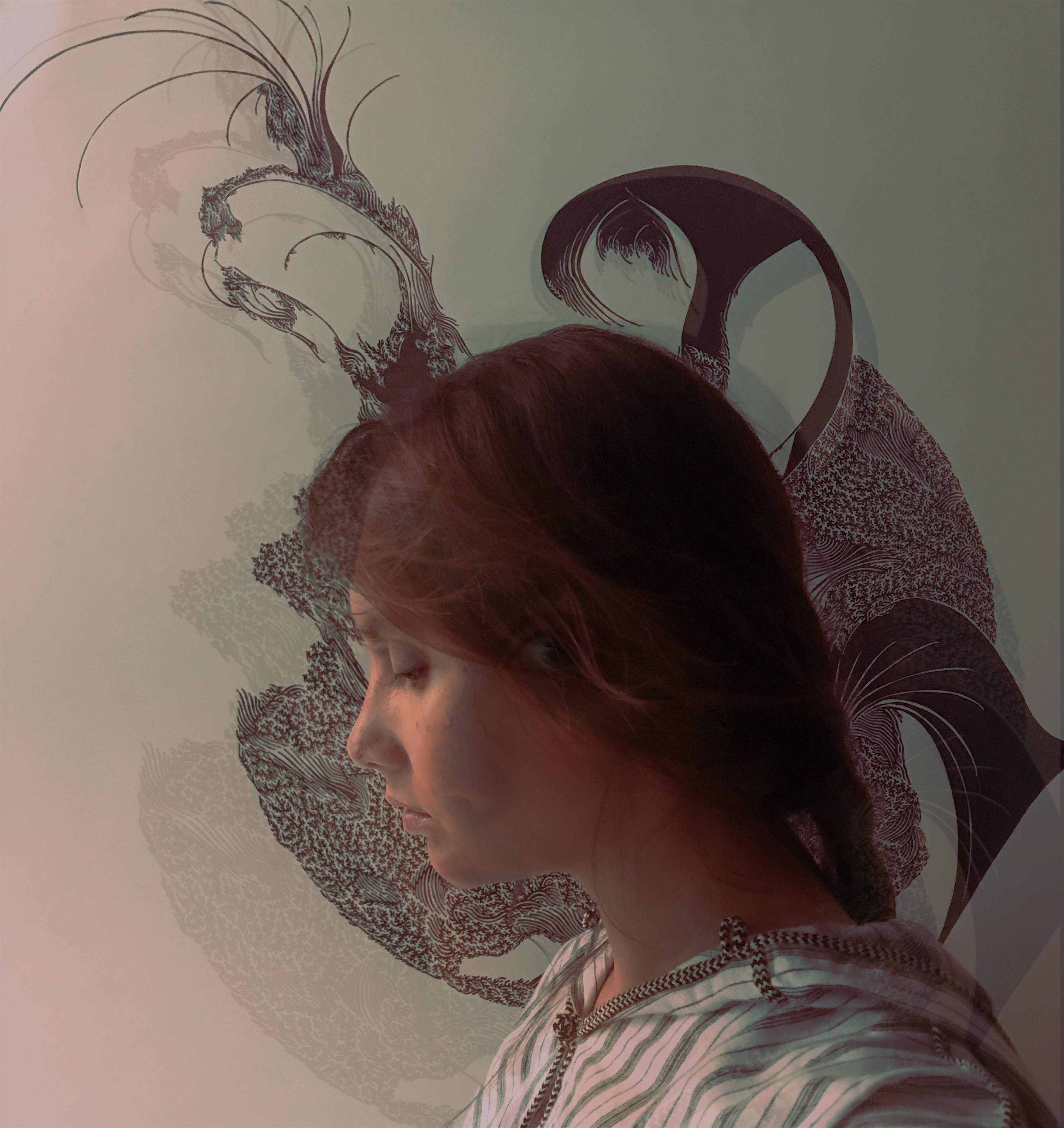
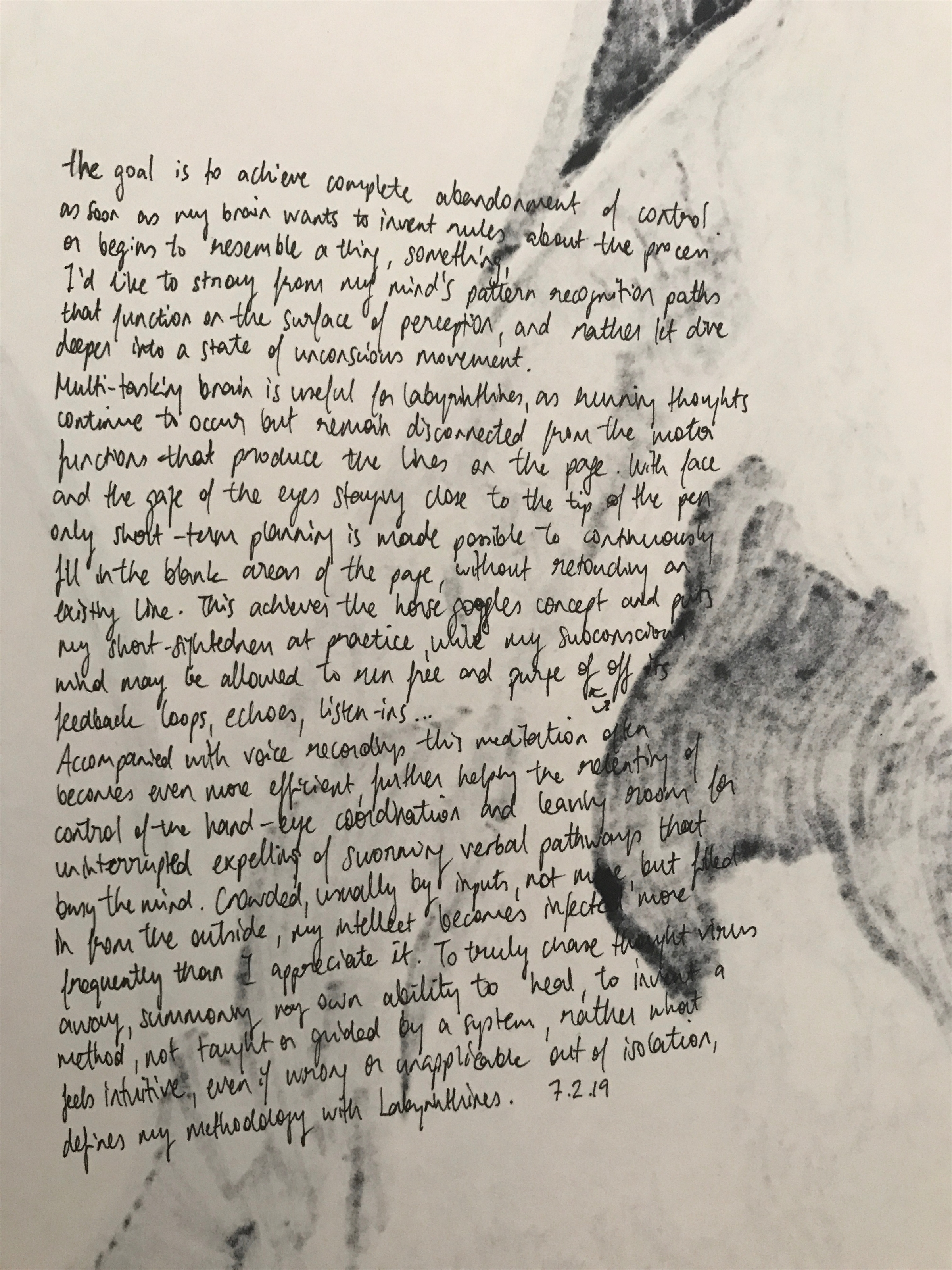
Following a burnout in 2018, I began to draw in automatism. I purged my anxieties on paper. The abstract forms that came out of this meditation represented psychic beings that troubled my mind. They felt as real as synapses between neurons, as mycelium among tree roots. What Jung would have called "psychoid archetypes" these subtle bodies roamed both spiritual and material realms.


I began to wonder: Could this be how Earth sends us distress calls? If so, could art be the key to translating Earth-speak?

Before the pandemic, I staged two psychology experiments using one of my drawings as a variable. These were initial attempts at inspiring science to decipher the language spoken between Earth's Mind and the human mind.

Art therapy not only restored my mental health but enhanced its capacity and endurance. As I continue my research, I ask, could it do the same for our Planet? Could psychoids work in reverse? By treating our mental illnesses, could we send healing signals back to Earth?

How do we begin?

We prioritize the emotional stamina of environmentalists, indigenous communities, and young generations who are particularly vulnerable to depression. We strategize to win the emotional war against planet destroyers. We call it as it is: A willingness to sacrifice one's home for financial gain is a mental disorder. The consumerist society is suffering from an addiction epidemic. We treat the mental illnesses infesting positions of power, and the global economy. By leveraging art's influence, we reframe our reality, rewire minds to survive the climate crisis, and remind humanity how to live symbiotically.


Header


Title

About the Artist

Images
a woman looking at the camera

My work is in reaction to climate change and to review my identity as an immigrant. 


I was born in Istanbul in 1985. I studied Film and Psychology at Wesleyan University.
Post-graduation, I pursued entrepreneurship providing design and branding strategies for startups and tech companies.


In 2014 I began servicing Greenpeace, creating global campaign style guides for forests, oceans, plastic pollution, indigenous rights, and many localized initiatives. Greenpeace is extremely diligent with research. Each campaign gave me access to hard facts and scientific reports. The downside was that the awareness of our climate crisis merged with my urban anxiety and developed into burnout. 


Art became my therapy. I returned to my roots as a film student, a career path I had long been deferring. Today I put my entrepreneurial skills into art and research, investigating the links between environmental health and mental health. In my practice, I imagine the possibility of rewiring minds and building emotional stamina through massive changes that our Planet has begun to endure.

Title
@aslisonceley
aslisonceley.com

Header


Title

Art Therapy 

Title

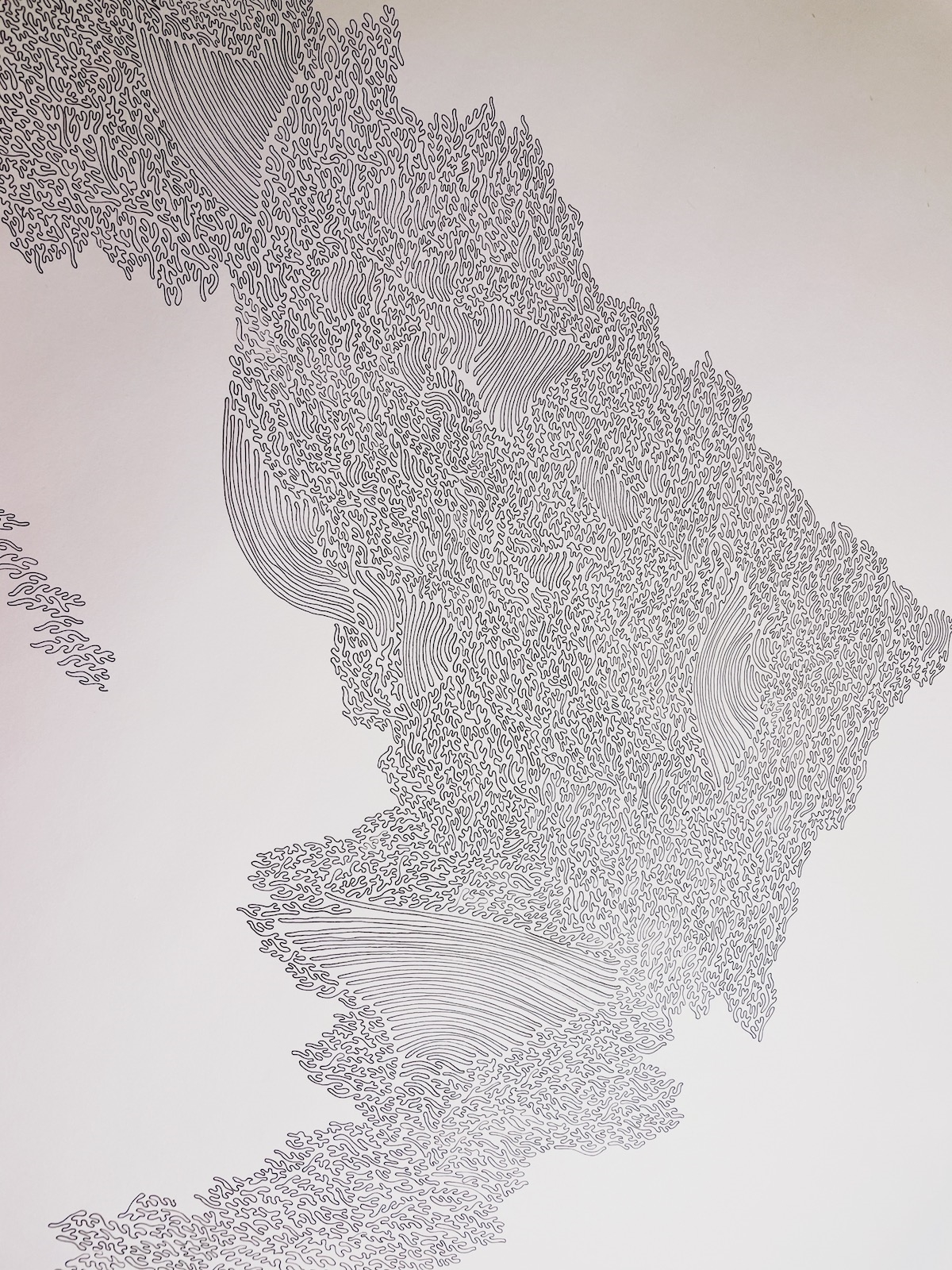
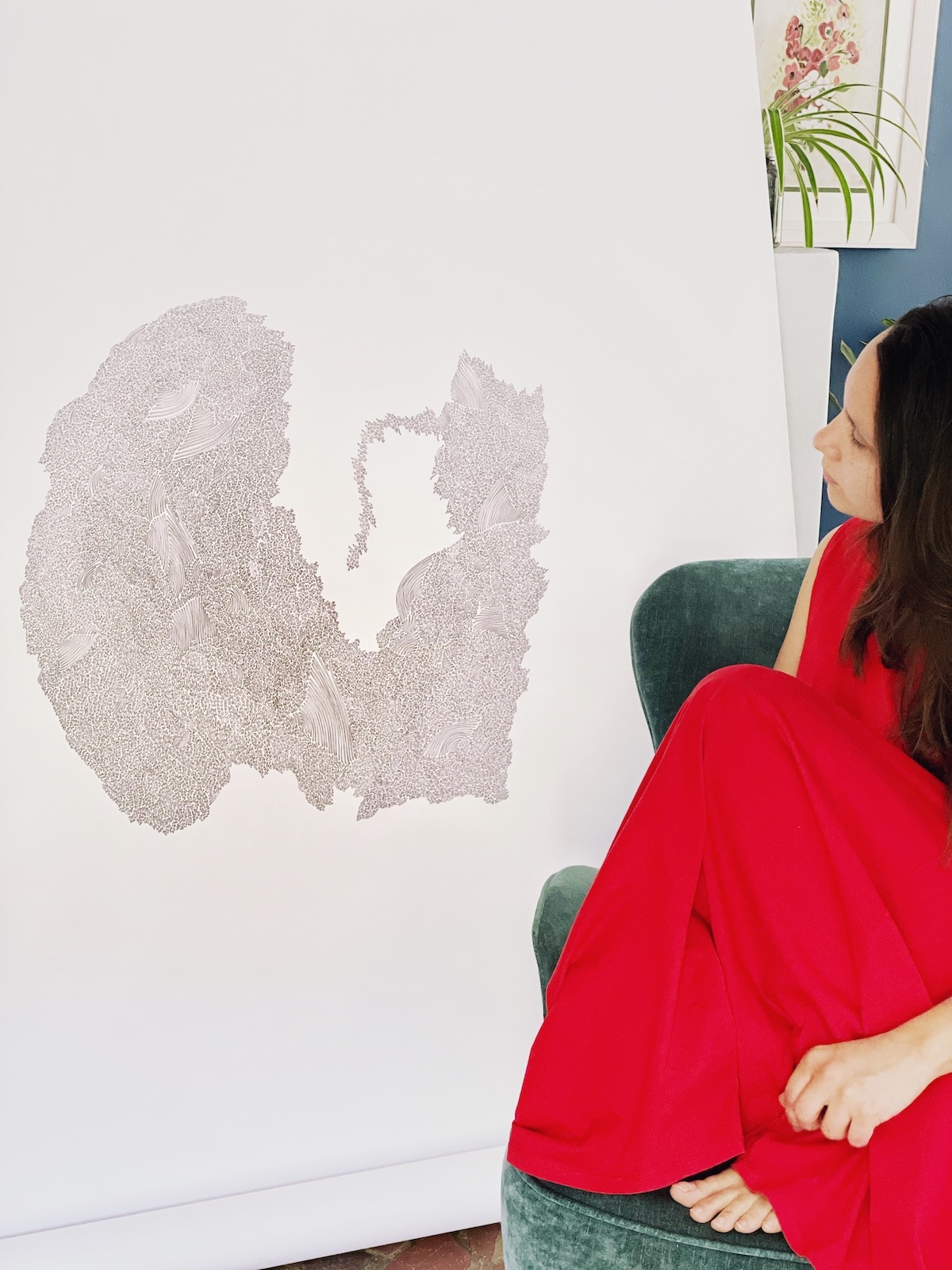
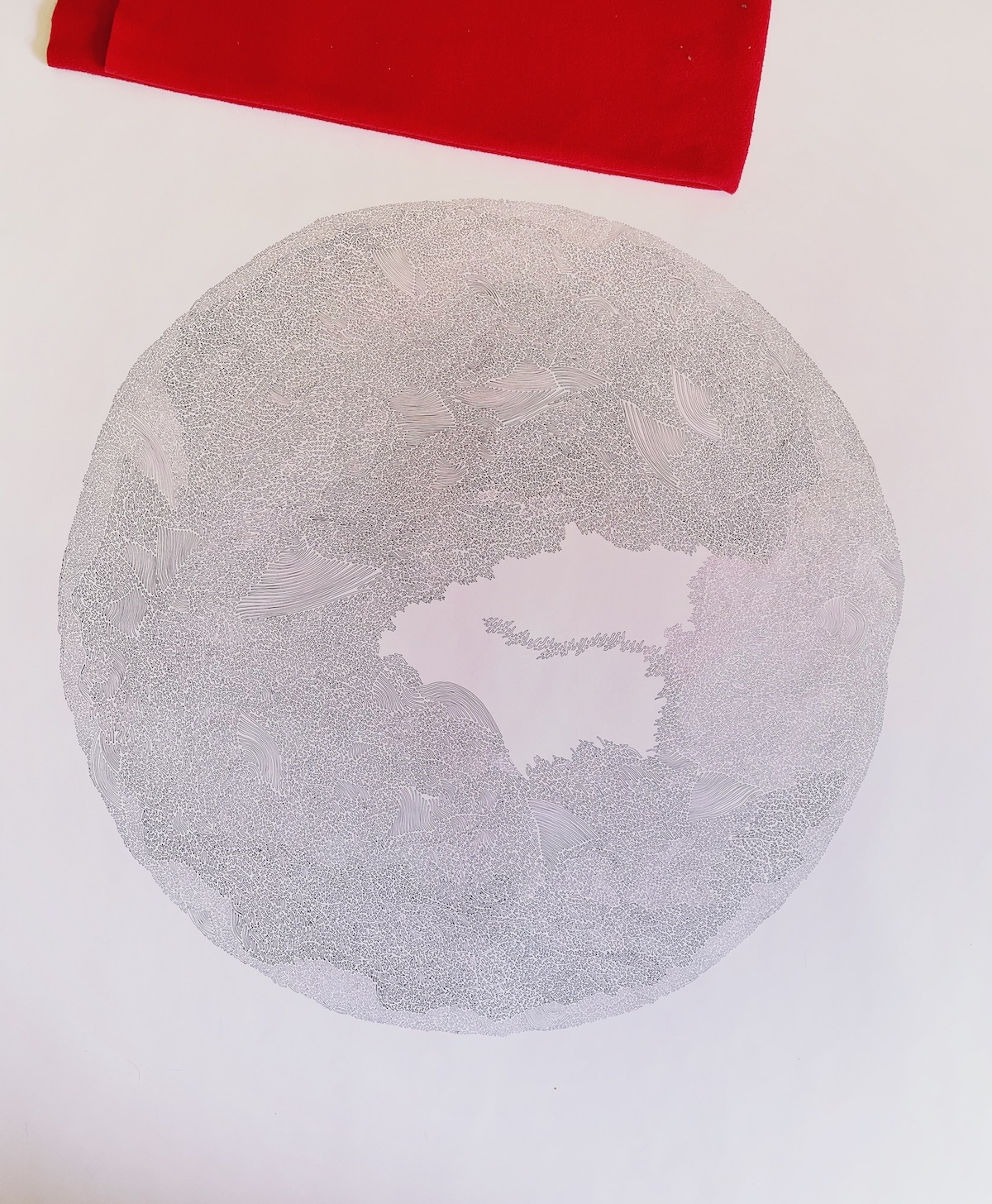
In “Morphic Resonance ” series I draw visual white noise that fills in-between spaces. Meditating on linear knots, I investigate a correlation between self-patience and nature’s pace. Choosing monochrome and keeping the materials at the minimum, I draw in automatism.

The intention of each piece is to unload excessive thoughts on paper without expectations from the outcome. In the folds, I observe the unfolding of my cognitive patterns.  


Images

"Very distinguished people have experienced failures that left them emotionally limping for a while, depth psychologists view such times as potentially generative, since they frequently lead to breakthroughs. It is generally when we fail to pause to regroup and rethink that our bodies, psyches, or circumstances step in to stop us."


Carol S. Pearson -Persephone Rising 

Title

Header


Title

Remember the Mother Tongue

Title

Is there a forgotten language spoken between Earth Body and the Human Body?

Can we relearn it?
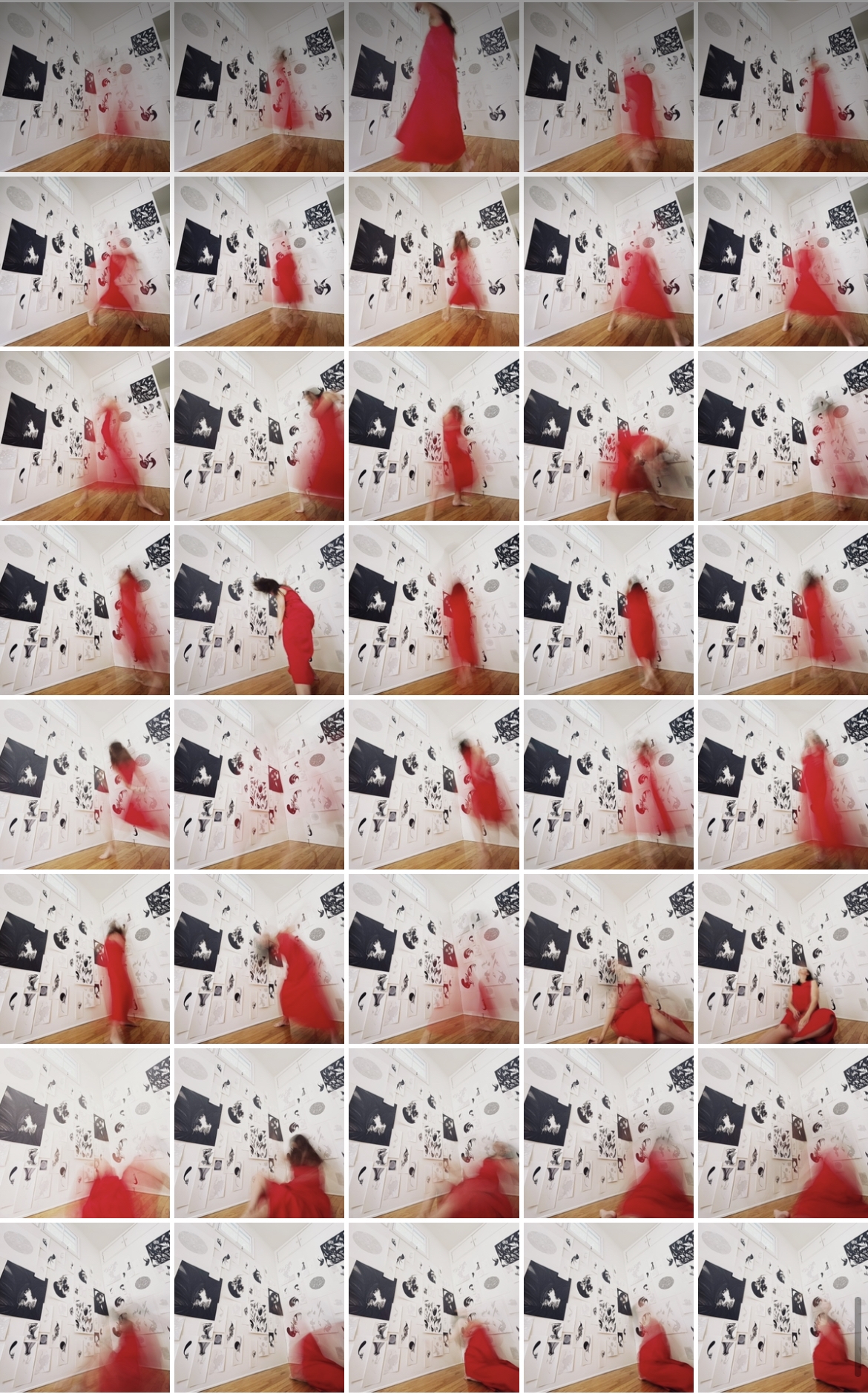
Is it possible to measure, verbalize, and agree upon this language?
Can we study it the way we study and teach anything methodically in schools?

Fields of further research:

  • Jungian psychology
    • The collective unconscious
    • The psychoid realm and archetypes
  • Phenomenology
  • Non-mechanistic biology
  • The theory of formative causation

Any recommendations? 
Leads on language learning across species?

Images
map
Title
"We mindspeak 
so you may only hear truth."


"Between thought and spoken word is a gap where intention can enter, the symbol be twisted aside, and the lie come to be. Between thought and sent-thought is no gap; they are one act."

Ursula K. Le Guin - City of Illusions


"Many emotions are felt in the body, which is why we have expressions like warmhearted, softhearted... Many of us repress the sensate feelings we experience in and around the heart because we have been told a story _ that such expressions are just metaphors _ and we believe the narrative rather than our felt experience."

Carol S. Pearson - Persephone Rising: Awakening the Heroine Within
Images
a close up of many different types of food

Header


Title

The Experiment

Title
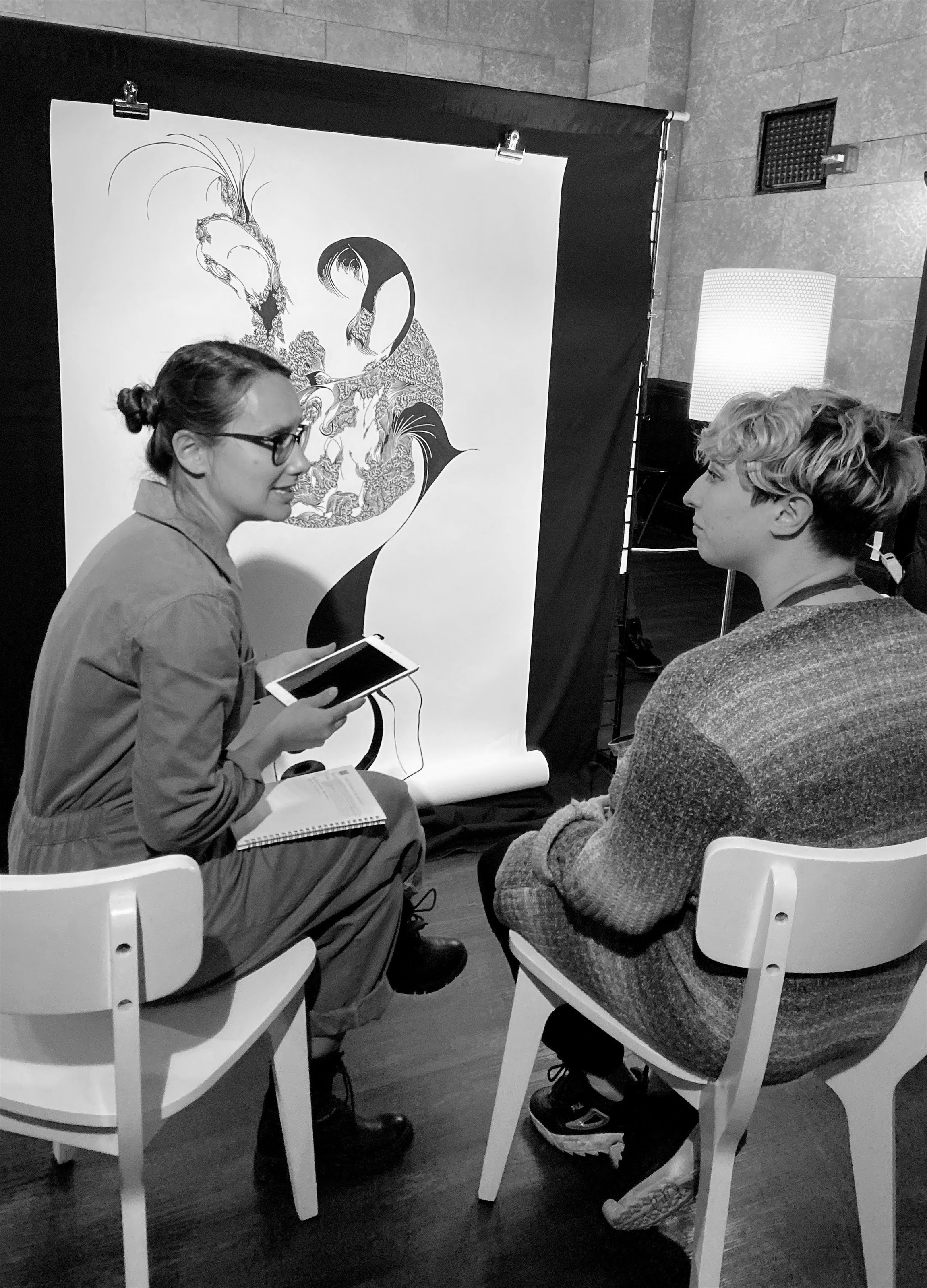
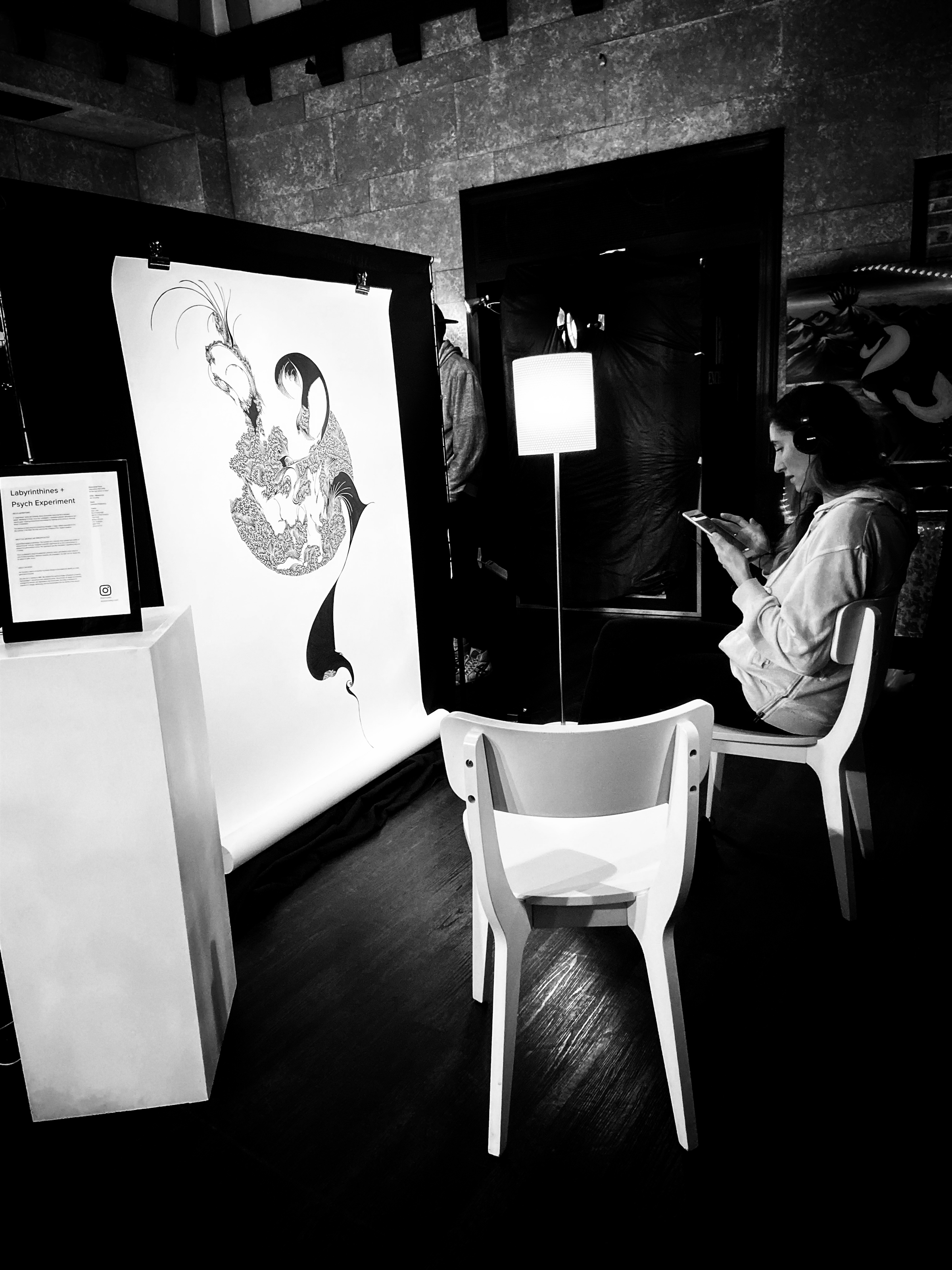
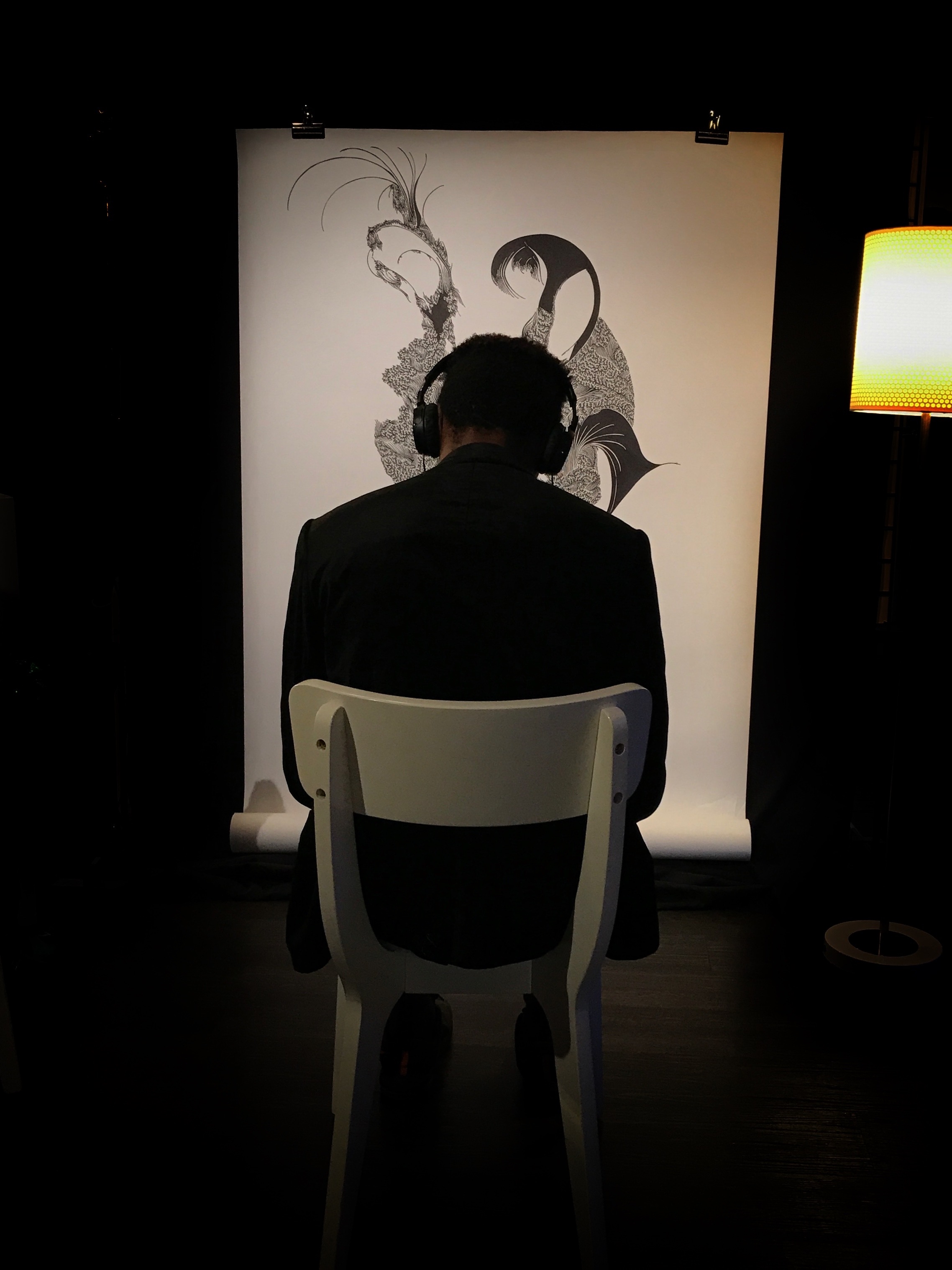
This psychology experiment is an attempt to stage the systematic principles, ethics, and integrity of the empirical cycle to test a hypothesis. The artistic goal is to inspire true scientists into researching direct links between environmental health and mental health as well as possibly deciphering a forgotten language that connects the human mind and Earth Mind. Research materials, documentation, raw data, and the results are available for peer review.
Title
Images
a group of people sitting at a desk
Images
a person standing in a room
Images
a man standing in a dark room
Title
HYPOTHESIS
An abstract piece of expression can attune the audience to the artist and each other.

MEASURING

  • Is there a psychic connection with the artist that can be captured with keywords?
  • Is the audience shaping the meaning of the abstract expression toward a common view over time?
  • Do the daily feelings/mood affect the results?
  • Are the people who are more inclined to "believe" more or less attuned?
  • Do the cognitively tired participants become more or less attuned?

METHODOLOGY
  • Two pilot experiments in the field
  • Convenience and snowball sampling
  • Measurement Instrument: Questionnaire (Abstract Art Perception Test)
  • The experiment uses the artist's original artwork as a variable. 

SET UP
  • Lifesize abstract artwork
  • Two chairs:
    - One for the artist to introduce the experiment
    - One for the participant
  • Noise-canceling headphones
  • Tablet for participants to take the test

Header


Title

Methods and Results

Title
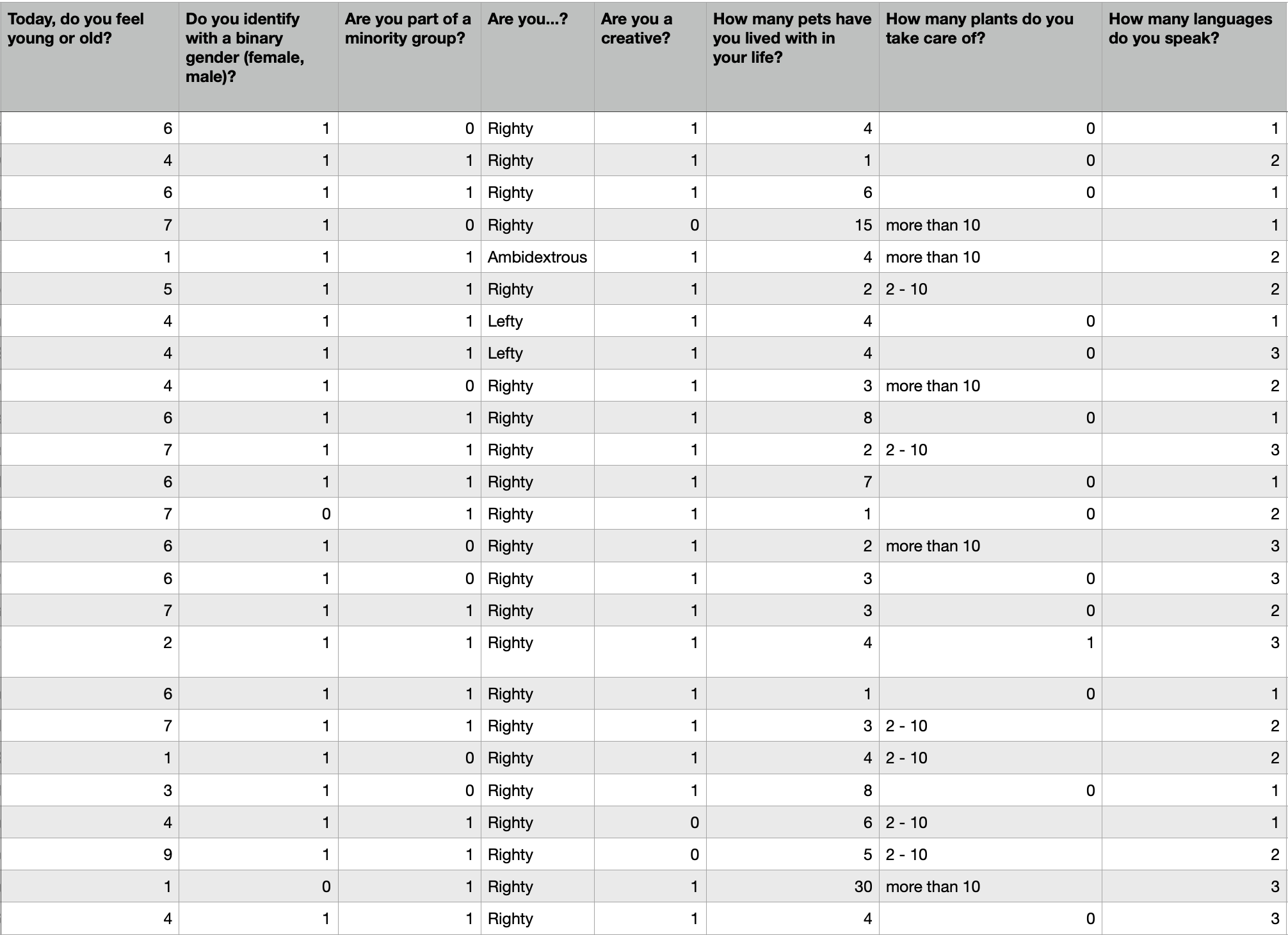
NON-TRADITIONAL DEMOGRAPHICS QUESTIONS

The questionnaire introduces a demographic data collection method that strays from the traditional taxonomy. Instead of revealing the participants' age and gender, I asked the participants to answer whether they feel young or old at the moment and whether they identify with binary gender or not.

1=Young 10=Old
0=Yes 1=No
Images
table
Title
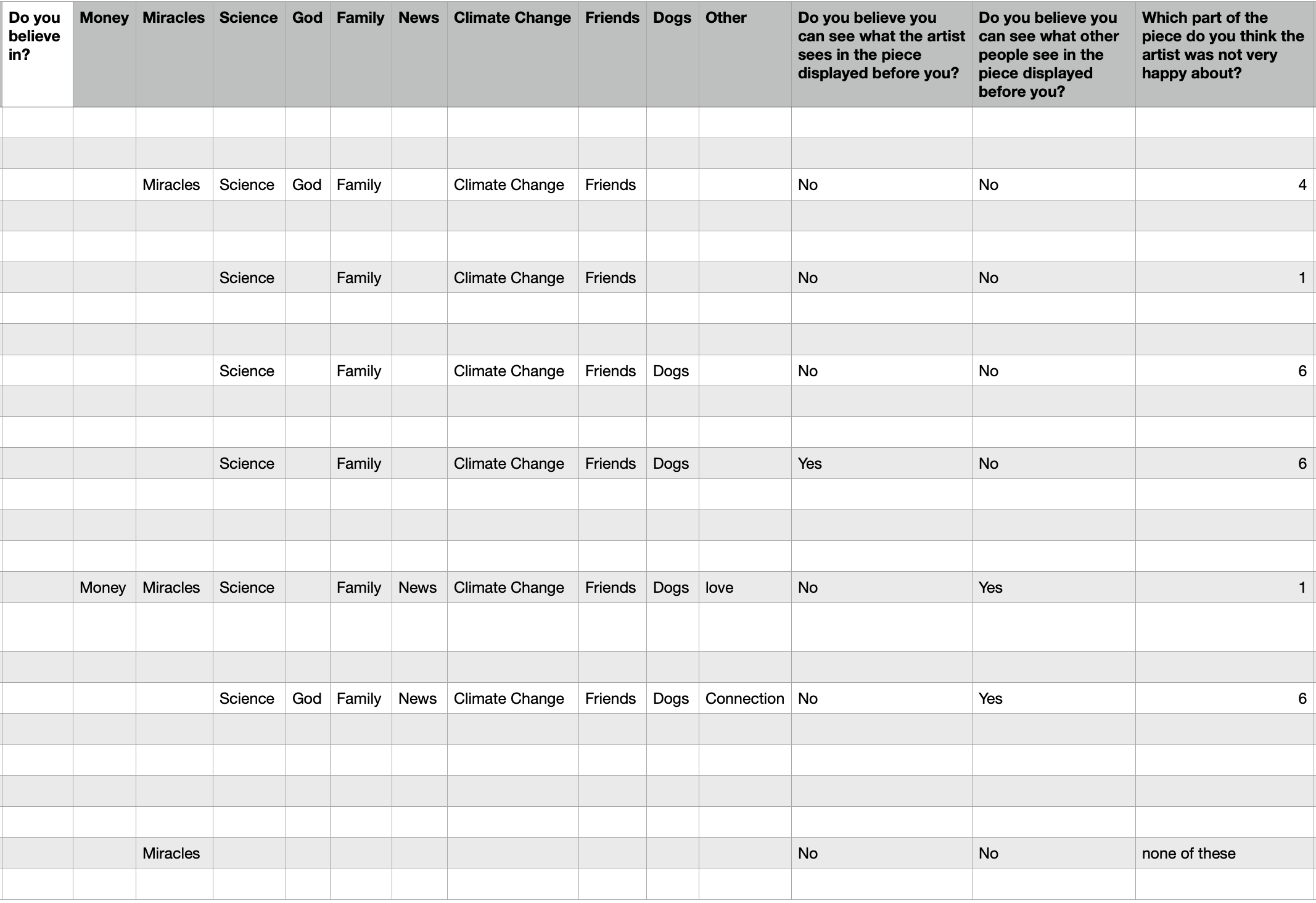
MANIPULATION METHOD - PRIMING

In the first pilot, an experimental group was randomly assigned questions to prime them with the idea of belief and metaphysical occurrences. Participants provided self-reported data.
 
The exposure to the additional questions didn't show an impact on the keyword synchronicity results.

Images
table
Title
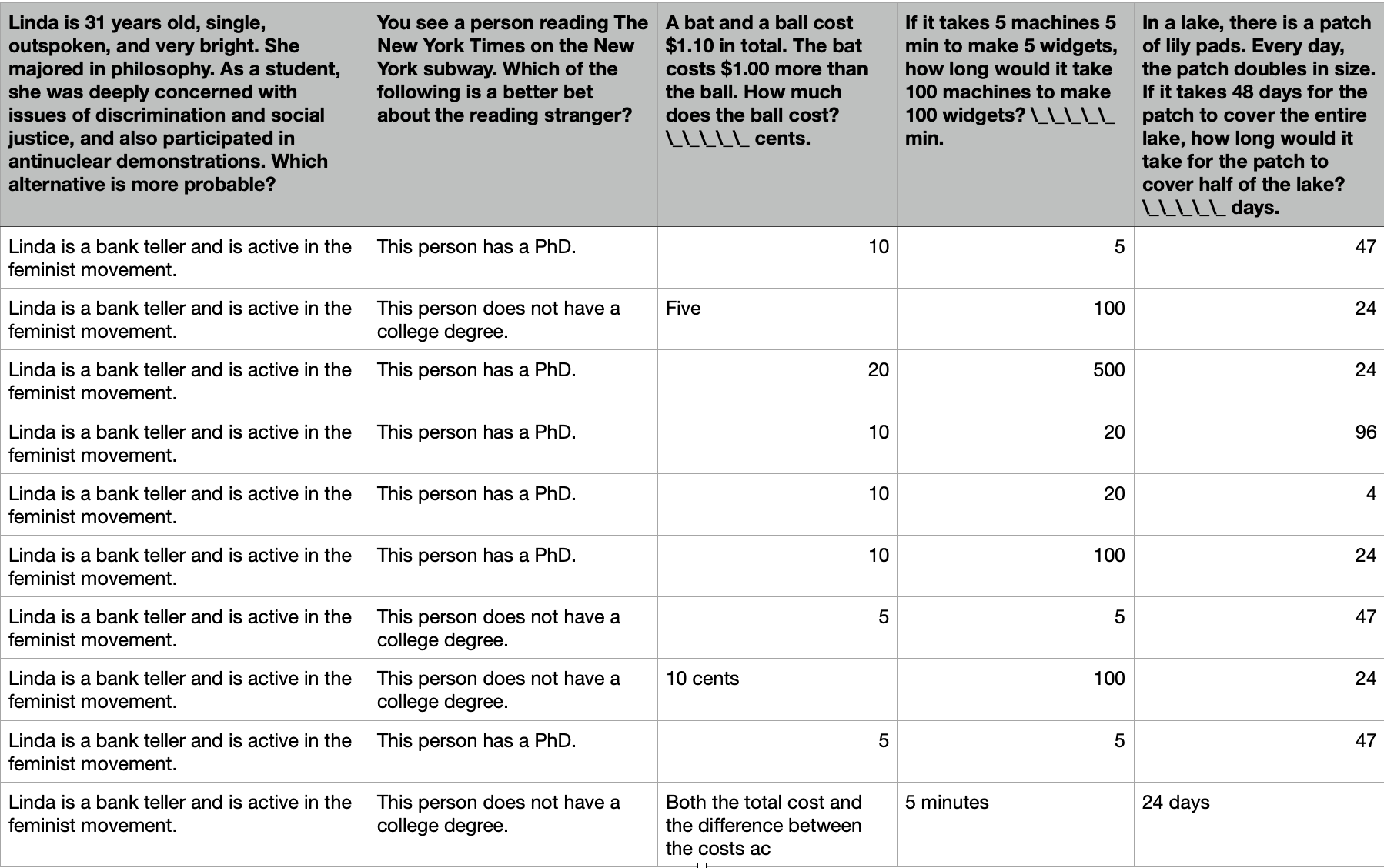
MANIPULATION METHOD - COGNITIVE DEPLETION

In the second experiment, I added a
set of puzzles (Linda, Tom W, and Cognitive Reflection Test) aiming to deplete the participants' cognitive stamina (System 2 as categorized by Daniel Kahneman in "Thinking Fast and Slow") therefore leaving them to respond from a more intuitive place for the next part of the experiment. 

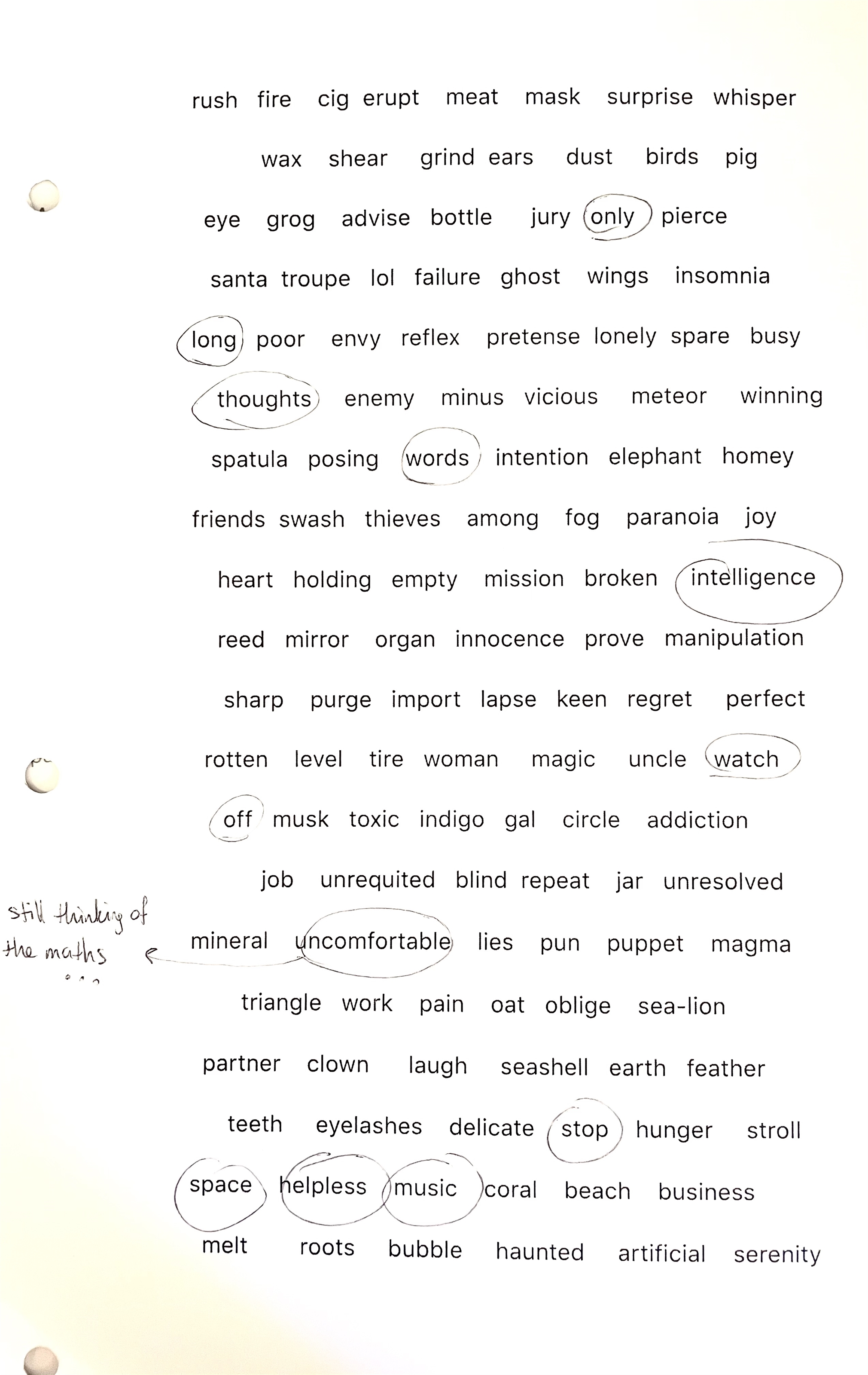
Employed without a control group, this method did not yield clear results. Some participants reported that the cognitive depletion left them frustrated and they found themselves still thinking about the answers while gazing at the artwork.
Images
table

Header


Title
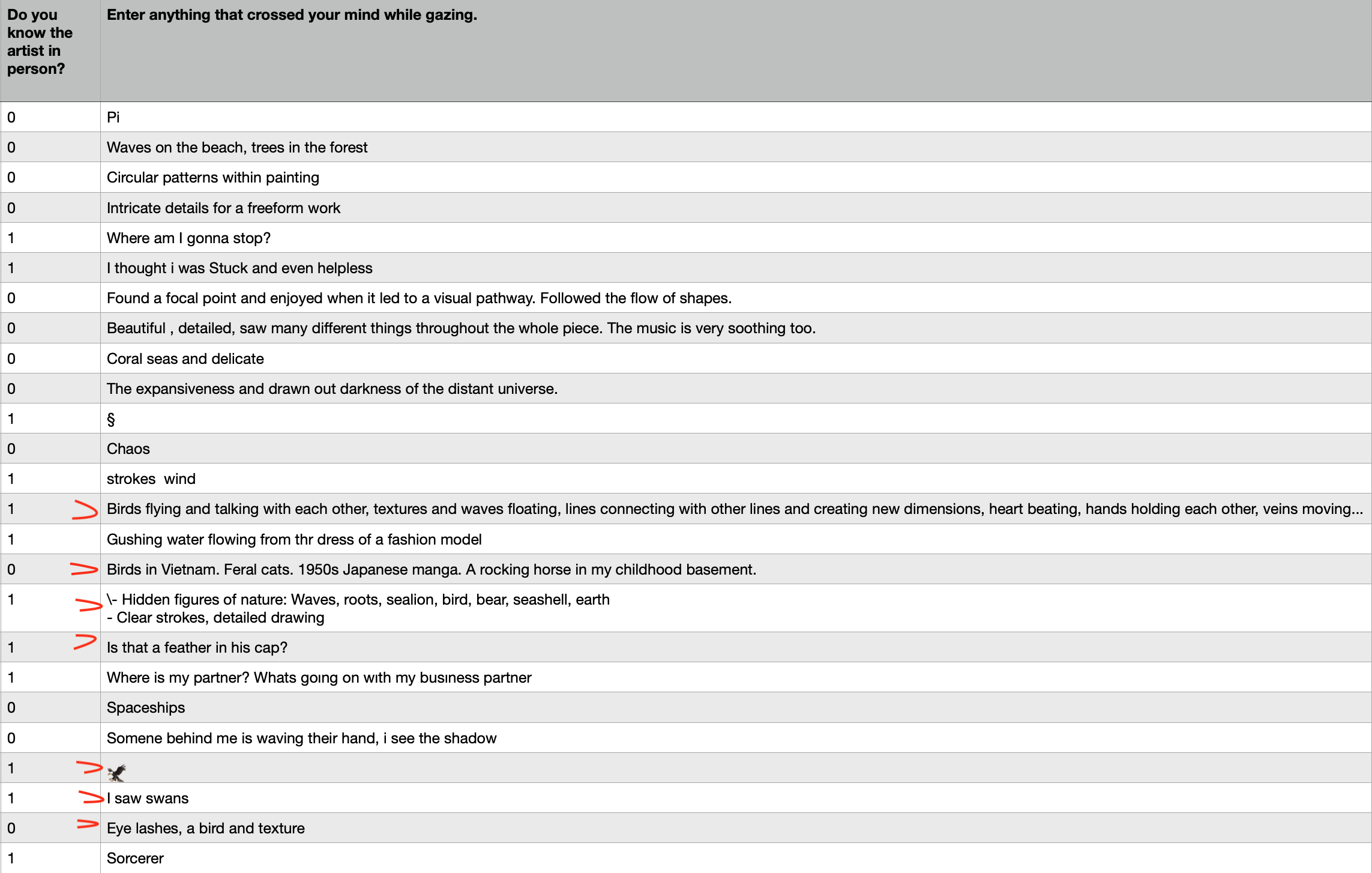
KEYWORDS & SYNCHRONICITY - 1

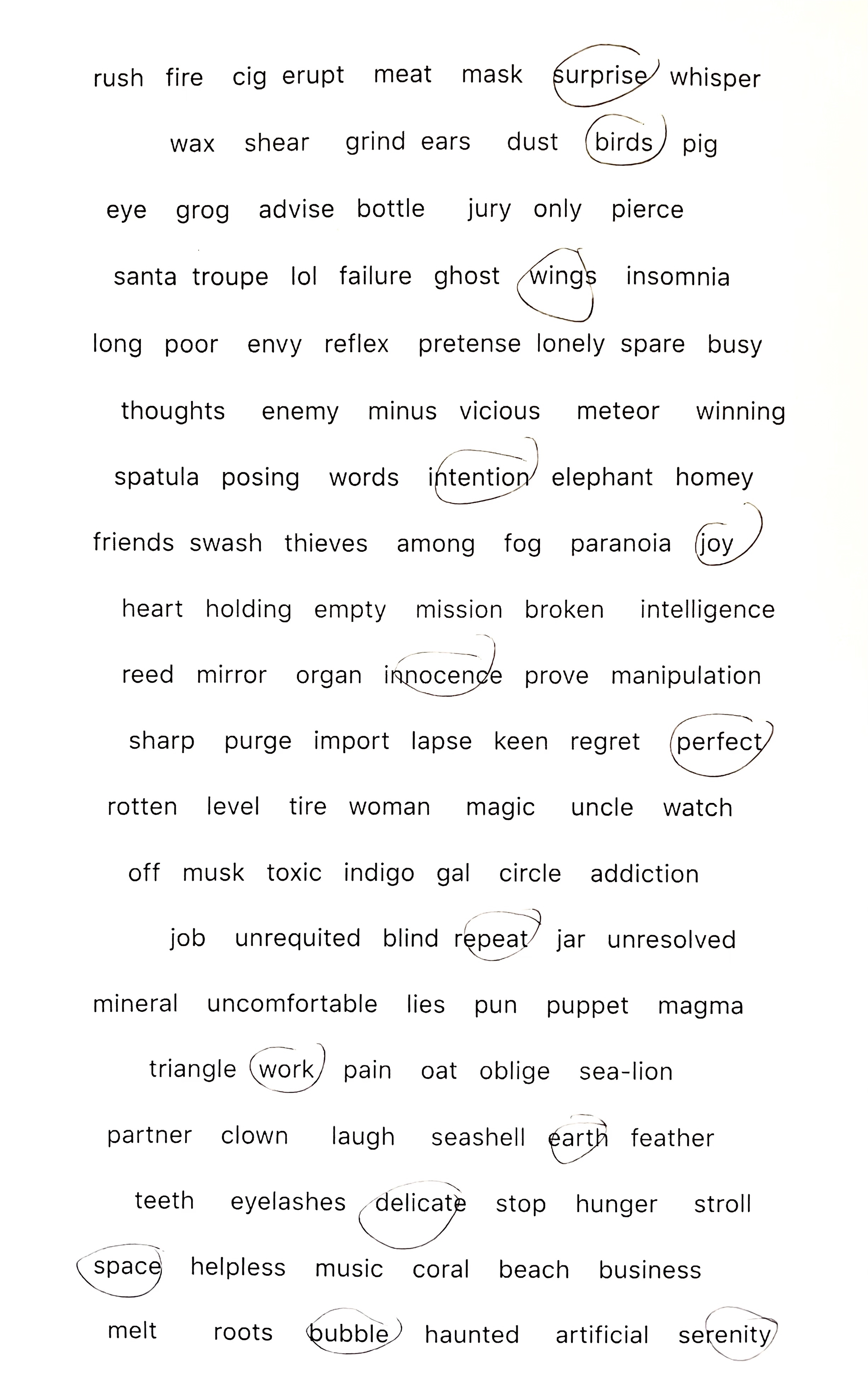
In the first experiment, I asked the participants to type anything that crossed their minds while observing the artwork.

The most significant result of the experiment was captured here. In the second hour of testing, a cluster around the keyword  "bird" began to show. This confirms the synchronicity between the artist, and among the participants, increasing over time. A threat to validity could have been the participants' knowing the artist in person. However, this does not seem to have affected the results as most answers came from participants who did not know the artist in person.

[ 0=yes 1=no ]
Images
graphical user interface, text, application, email
Images
Title
KEYWORDS & SYNCHRONICITY 2

In the second experiment, I asked the participants to circle what draws their attention in a word cloud.

Some common keywords were captured between the first and second experiments. Also within this group, some unique keywords were selected more than others which could suggest synchronicity developing among the participants. However, because of the small sample size, I hesitate to confirm this finding.


Images
text, letter
Images
Images
Images
text

Header


Title

Key Takeaways 

Title
VALIDITY AND RELIABILITY

Both experiments worked with participants who are artists themselves, or in some creative fields. Trying this experiment with a more diverse sample of participants may yield interesting results. Some of the participants also knew the artist/researcher in person. This seemed to have no effect on the first experiment where participants reported anonymously whether they know the artist in person.

The questionnaire itself had too many segments and different types of questions. This may have tired the participants and didn't lead to an increase in intuitive thinking. The questionnaire design may not be the most reliable instrument for this experiment and it is subject to be simplified and improved in the future.

Title
PROCESS VS THE OUTCOME OF ART

These experiments attempted to employ empirical methodologies to understand the function of healing art and whether the substance that comes out from abstract art resonates in subliminal paths with the audience.


However, conducting research based on the final outcome of the artwork may not be the best method to pursue the ultimate question I am seeking. Studying the conversations between the artist body (human body) and Earth body may require a phenomenological perspective, rather than a quantitative analysis of the outcome.


I am looking forward to hearing ideas from the scientific community.
Images
map

Header


Title

Reframing The Story

Title

SANE


Indigenous Communities 
People of Color

Minorities
Young Generations
Immigrants
LGBTQ
Activists

UNSANE


Politics 
Power
Profit
Police

Plastics

Pollution


Title

"Sometimes I feel that it might be good if everyone had a tiny bit of Asperger's. At least when it comes to the climate."


Greta Thunberg

"...as long as we continue to live in denial and treat only trauma while ignoring its origins, we are bound to fail... institutions that deal with traumatized children and adults all too often bypass the emotional-engagement system that is the foundation of who we are and instead focus narrowly on correcting "faulty thinking" and on suppressing unpleasant emotions and troublesome behaviors."


Bessen Van Der Kolk, M.D. -The Body Keeps the Score
Title

"A major reason why we are depressed is that we should be. We see signs of environmental destruction everywhere and homeless people in the streets. If we go to a psychotherapist, most of us will focus on our personal issues and the impact of our families of origin. Even if our conscious minds are busy focusing on getting more of what we want, our unconscious selves are weeping at the sad state of the planet."


James Hillman and Michael Ventura -We've Had a Hundred Years of Psychotherapy _ And the World's Getting Worse.

" “People are self-medicating with hate. It’s an addiction.”


Myrieme Churchill - Parents for Peace Help Line

Header


Title

Thank You.

For discussions and collaborations do not hesitate to connect with me.


instagram: @aslisonceley

website: aslisonceley.com

Images
shape

Morphic Unit #196 - Work in Progress


Exit